
Battery Backup Without Grid Dependence
Energy Storage System Installation in Camden for households seeking emergency power and energy independence beyond generator limitations
Battery energy storage systems store electricity from the utility grid or connected solar arrays, allowing your home to draw from stored energy during outages, high-cost peak demand periods, or when solar production drops after sunset. Unlike generators that require fuel and produce exhaust, battery systems operate silently with no emissions, no mechanical maintenance, and no delay between grid failure and backup power activation—the transition happens in milliseconds, fast enough that computers and sensitive electronics never lose power. Towles Electric, Inc installs battery storage systems throughout Central Delaware and the Delmarva Peninsula, integrating units like Tesla Powerwall, Enphase 5P, and SolarEdge Home Battery with your electrical panel and optional solar equipment to provide backup capacity ranging from 10 to 40 kilowatt-hours depending on how many batteries are installed.
These systems connect to a dedicated subpanel or critical loads panel that feeds circuits you designate as essential, such as refrigeration, heating and cooling, lighting, well pumps, and internet equipment. Smart energy management software monitors your home's real-time electricity consumption, battery charge level, utility rates, and weather forecasts to optimize when the system charges from the grid or solar panels and when it discharges to supply your home or sell power back to the utility if your rate plan allows net metering or demand response participation.
Arrange a consultation to evaluate your energy usage patterns and determine the battery capacity that meets your backup duration and independence goals.
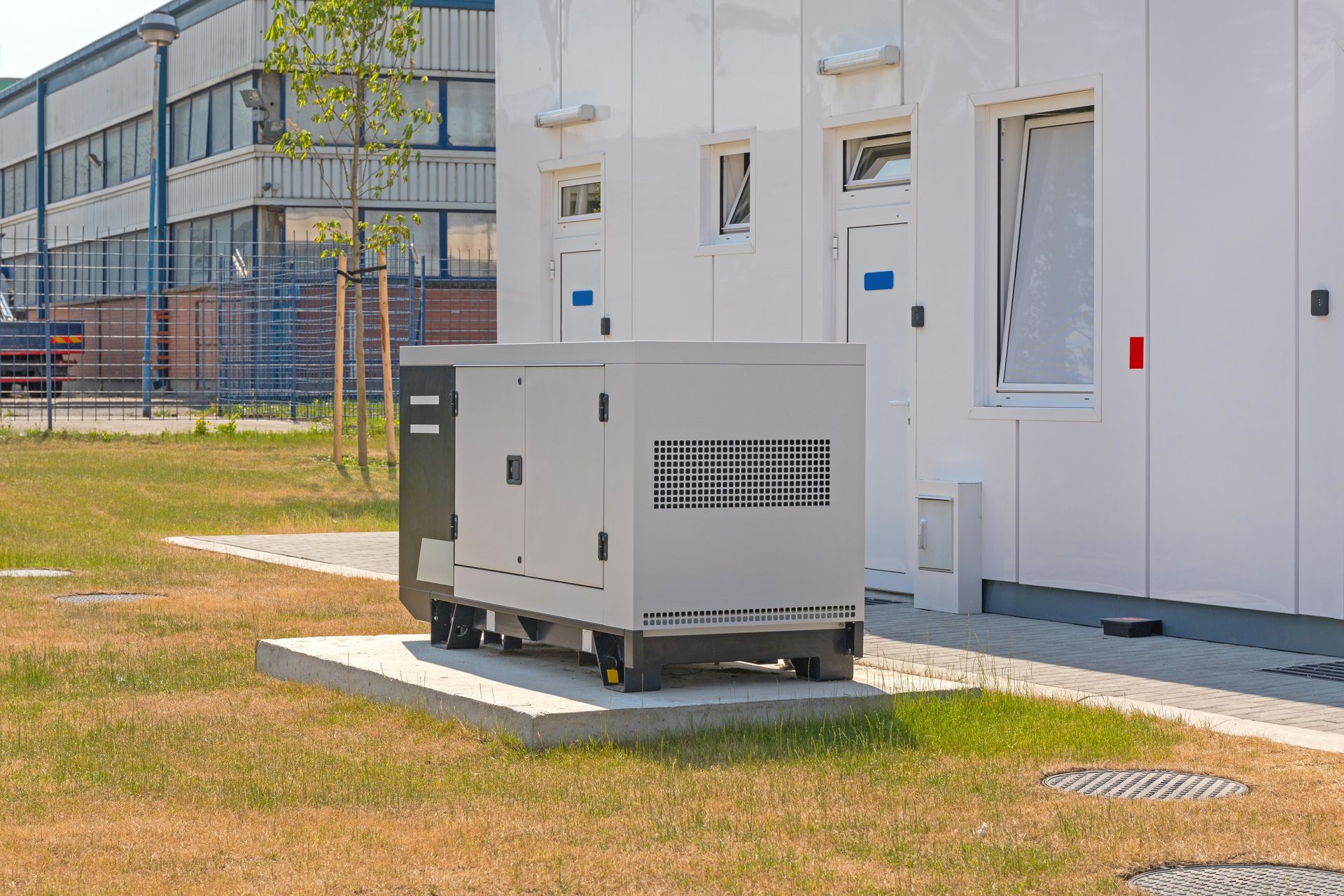
How Battery Systems Integrate With Your Home
Installation involves mounting the battery unit on an interior or exterior wall that meets manufacturer temperature and ventilation specifications, installing a gateway or inverter that converts stored DC power to AC power for household use, and connecting the system to your electrical panel through a dedicated breaker and control interface. If the system includes solar integration, the inverter coordinates charging from solar production during daylight hours and grid charging during off-peak rate periods to minimize electricity costs while maintaining reserve capacity for outages.
Once commissioned, the system operates automatically—you don't manually switch modes or monitor charge levels unless you choose to review performance data through the manufacturer's smartphone app. During a grid outage, the battery disconnects your home from utility lines and begins supplying stored power to your backed-up circuits within 10 to 20 milliseconds, faster than the flicker time that would reset digital clocks or reboot networking equipment. When grid power returns, the system reconnects smoothly and begins recharging the battery for the next outage or scheduled discharge cycle.
Professional sizing considers your average daily energy consumption, the duration of backup power you need, and whether you want the system to support your entire home or only critical circuits. A single 13.5-kilowatt-hour Powerwall typically runs essential circuits for 12 to 18 hours, while two or three batteries extend backup duration to 24 to 48 hours or allow whole-home coverage depending on your household's energy profile. Installation also includes configuring storm watch features that automatically charge the battery to full capacity when severe weather forecasts predict high outage risk in Camden and surrounding areas.
Common Questions About This Service
Energy storage technology has matured significantly in recent years, and these questions address practical considerations before installation begins.
What happens to a battery storage system during an extended multi-day outage?
If you don't have solar panels, the battery will eventually deplete after supplying your backed-up circuits for its rated duration, at which point you'll lose power until the grid returns and the battery recharges—adding solar extends backup duration indefinitely as long as sunlight is available to recharge the battery daily.
Can I add battery storage to an existing solar system?
Yes, most modern solar inverters support battery integration, though older systems may require inverter replacement or additional equipment to coordinate solar charging, grid charging, and backup power functions through a single energy management platform.
How long does a home battery system last before replacement is needed?
Lithium-ion battery systems like Powerwall and Enphase 5P are warranted for 10 years or a specified number of charge cycles, and most retain 70 to 80 percent of original capacity at end of warranty, with functional lifespan often extending several additional years depending on charge depth and ambient temperature conditions.
Do battery systems require permits and utility approval in Delaware?
Yes, battery installations require electrical permits to verify code compliance, and if your system connects to the utility grid for net metering or grid services participation, your utility company must approve the interconnection and may require specific settings or control features for grid stability.
What's the difference between a battery system and a generator for backup power?
Batteries provide instant, silent backup power without fuel or emissions but have limited stored energy and recharge slowly without solar, while generators produce continuous power for days using natural gas or propane but require several seconds to start and operate with noise and exhaust that limits indoor installation options.
Battery storage represents a long-term investment in energy resilience and independence, with costs offset by utility incentives, federal tax credits when available, and avoided fuel expenses compared to generator operation. Towles Electric, Inc evaluates your electrical panel capacity, energy usage, and backup priorities during the consultation, ensuring the system design matches your reliability expectations and integrates cleanly with existing solar equipment if applicable.