
Electrical Systems for Demanding Environments
Specialty Wiring Services in Camden for pool equipment, hot tubs, agricultural operations, and heavy-duty installations
Electrical installations near water and agricultural applications with three-phase equipment follow specific code requirements that differ substantially from standard residential wiring practices. Pool pumps, heaters, lighting, and control systems require bonding all metal components to prevent stray voltage in water, GFCI protection on all circuits, and proper clearances from water edges specified in National Electrical Code Article 680. Towles Electric, Inc handles specialty wiring throughout Central Delaware and the Delmarva Peninsula, installing code-compliant electrical systems for pools, spas, grain dryers, irrigation equipment, and barn operations where environmental conditions and load requirements exceed typical residential specifications.
Pool and hot tub wiring includes sub-panel installation near equipment pads when distance from the main panel exceeds practical circuit lengths, dedicated circuits for pumps and heaters, underwater lighting with proper grounding, and bonding grids that connect metal pool components, ladders, handrails, and reinforcing steel. Agricultural wiring addresses three-phase power for grain dryers, high-amperage circuits for silo equipment, weatherproof installations in barn environments, and irrigation system controls that operate in outdoor conditions year-round.
Request customized electrical solutions based on your specific equipment requirements and site conditions for specialized installations.
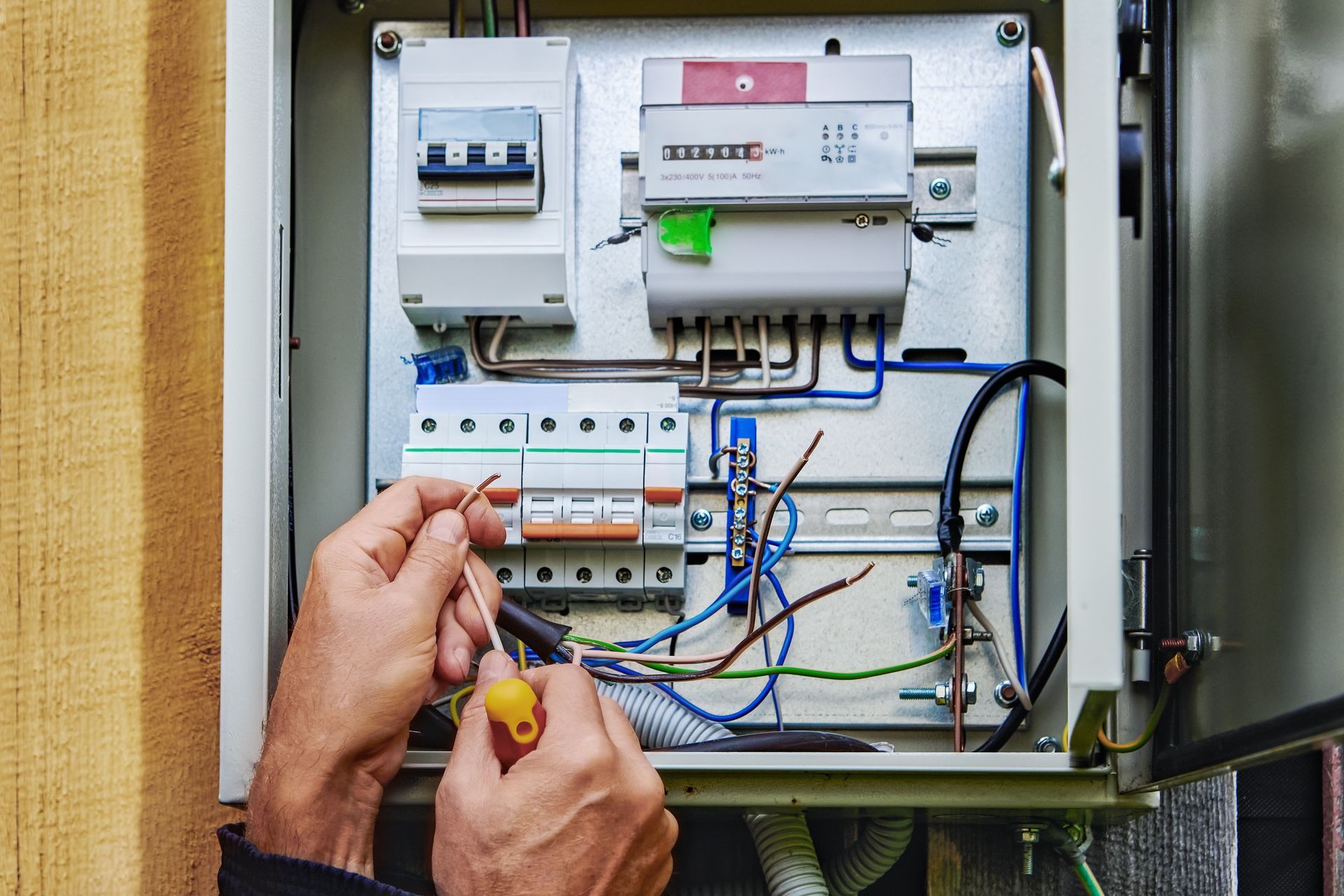
What Code-Compliant Specialty Installations Require
Pool electrical systems require bonding connections between all metal components within five feet of the water, including ladders, handrails, equipment housings, and structural reinforcing steel, with a solid copper conductor connecting these elements to the equipment grounding system. GFCI protection applies to all pool equipment circuits, underwater lighting, and receptacles within twenty feet of the water's edge. Hot tub installations follow similar requirements with disconnect switches located within sight of the equipment and protected from water spray. The wiring must account for corrosive environments near chlorinated water and include weatherproof enclosures for all junction boxes and connection points.
Agricultural operations often require three-phase electrical service for grain dryers, silo unloading equipment, and large irrigation pumps that exceed single-phase motor capacities available in residential systems. The wiring must handle high amperage loads, resist moisture and dust in barn environments, and provide disconnects accessible during equipment operation. Grain dryer circuits typically require forty to sixty amp service at 240 volts three-phase, with proper overcurrent protection and grounding that meets agricultural equipment manufacturer specifications and local inspection requirements.
Specialty installations include provisions for future equipment additions, weatherproof outlets for maintenance and cleaning equipment, and lighting circuits that operate independently from machinery loads. Properties in rural areas of the Delmarva Peninsula benefit from agricultural wiring experience that addresses site conditions common to farming operations, including extended service runs to remote buildings and equipment coordination during harvest seasons when electrical failures disrupt time-sensitive operations.
Questions Before Starting Your Project
Property owners considering specialty wiring installations often ask about code requirements, equipment coordination, and safety considerations specific to demanding electrical environments.
What bonding requirements apply to pool electrical installations?
All metal components within five feet of pool water must connect to a common bonding grid using solid copper conductors, including structural steel, ladder anchors, equipment housings, water circulation piping, and handrails, preventing voltage differences between surfaces that could cause shock in wet conditions even when no electrical fault exists.
How does three-phase electrical service differ from standard residential power?
Three-phase service delivers power through three conductors with voltage waveforms offset by one hundred twenty degrees, providing smoother power delivery and higher efficiency for large motors used in grain dryers and agricultural equipment, but requiring utility coordination and specialized circuit protection not used in typical residential installations.
What GFCI protection applies to hot tub installations in Delaware?
All hot tub circuits require GFCI protection either at the breaker or through a GFCI disconnect switch located within sight of the equipment, with the disconnect positioned at least five feet from the water's edge and protected from direct spray, meeting code requirements that prevent shock hazards in wet environments.
When do agricultural electrical systems require separate metering?
Farm operations with grain drying equipment, irrigation systems, and barn operations that consume substantial power often benefit from separate agricultural metering that provides lower utility rates for qualifying equipment, requiring coordination with the power company and installation of dedicated service equipment separate from residential meters.
What inspection requirements apply to pool wiring before use?
Pool electrical installations must pass inspection before water fills the pool, as bonding connections, underground conduit routing, and equipment grounding cannot be verified after construction completes, with inspectors confirming proper bonding resistance, GFCI functionality, and clearance distances before issuing approval for the system to be energized.
Towles Electric, Inc provides electrical design and installation for specialty applications throughout the Delmarva Peninsula. Contact our team to discuss equipment requirements, site conditions, and code compliance needs for pool, spa, or agricultural electrical projects that require experienced handling of demanding installations.