
Charging Speed That Matches Daily Driving
EV Charger Installation in Camden for electric vehicle owners waiting hours for Level 1 charging to complete
Level 1 charging through a standard 120-volt outlet delivers roughly three to five miles of range per hour, which means an overnight charge adds only 30 to 40 miles—inadequate if you drive 50 or more miles daily or return home with a depleted battery. Towles Electric, Inc installs Level 2 charging equipment operating at 240 volts throughout Central Delaware and the Delmarva Peninsula, increasing charge speed to 25 to 35 miles of range per hour depending on your vehicle's onboard charger capacity and the circuit amperage installed. A Level 2 charger restores a fully depleted battery to 80 percent capacity in four to six hours, allowing you to leave for work each morning with a full charge regardless of how much you drove the previous day.
Installation requires evaluating your electrical panel's available capacity, calculating load to confirm the panel can support a dedicated 40- or 50-amp circuit without exceeding its rated capacity, and running appropriate wire from the panel to the charger location in your garage or driveway. If your panel lacks capacity for the additional load, a panel upgrade may be recommended before charger installation proceeds. Compatible equipment includes Tesla Wall Connector, ChargePoint Home Flex, JuiceBox 40 or 48, Ford Charge Station Pro, and other UL-listed Level 2 charging stations that meet National Electrical Code requirements for wet or damp locations.
Request an electrical evaluation before purchasing your charger to confirm your panel supports the load and identify any upgrades needed for safe installation.
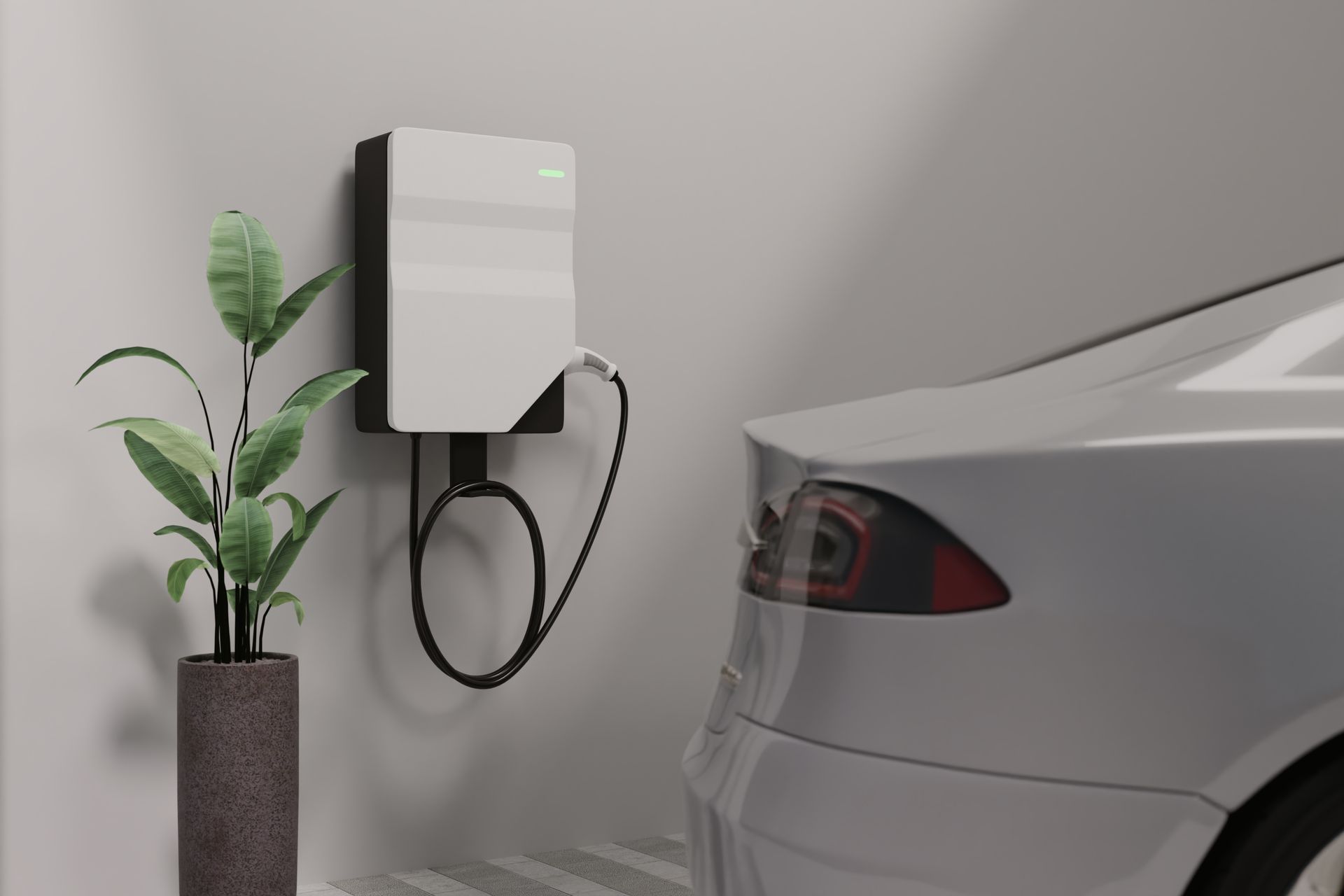
What Brings Charging Speed and Safety Together
Professional installation begins with load calculation that totals your home's existing breaker commitments, adds the proposed charger circuit, and compares the total against your panel's rated capacity to verify adequate headroom. Circuit installation includes running copper wire sized to match the charger's amperage rating, installing a dedicated two-pole breaker in the panel, mounting the charger on a wall or post at the height and location you specify, and making final connections inside a weather-resistant enclosure if the unit is located outdoors.
Once installation is complete, you plug your vehicle's charge cable into the wall unit and charging begins immediately, with most chargers displaying real-time charge rate, energy delivered, and estimated time to full capacity on an integrated screen or smartphone app. Charging becomes a simple routine—plug in when you arrive home and unplug when you leave—with no need to monitor progress or wake up early to move your vehicle. Many Level 2 chargers include scheduling features that delay charging until off-peak utility hours, reducing electricity costs if you're on a time-of-use rate plan.
Permitting through local building departments ensures the installation meets current electrical codes, and inspection approval verifies proper grounding, overcurrent protection, and weather sealing for outdoor installations. Some Delaware utility providers offer rebates for Level 2 charger installation, and federal tax credits may apply depending on current legislation, reducing the net cost of upgrading from Level 1 charging.
Answers to Frequent Service Questions
Electric vehicle charging questions often focus on equipment compatibility, installation costs, and when panel upgrades become necessary.
What's the difference between a 40-amp and 50-amp charging circuit?
A 40-amp circuit delivers up to 9.6 kilowatts of charging power, while a 50-amp circuit provides up to 11.5 kilowatts, though your vehicle's onboard charger determines actual charge speed—many EVs accept only 7.2 to 11 kilowatts regardless of circuit capacity.
Can I install a charger if my electrical panel is located far from my garage?
Yes, though longer wire runs increase installation costs and may require trenching if the charger is mounted outdoors or in a detached garage, with wire routed underground in conduit to protect against physical damage and moisture intrusion.
Do all EV chargers work with all electric vehicles?
Most Level 2 chargers use the standard J1772 connector compatible with all non-Tesla EVs, while Tesla vehicles require an adapter to use non-Tesla chargers or can connect directly to Tesla-branded Wall Connectors without modification.
How do I know if my panel needs an upgrade before charger installation?
If your panel's main breaker rating is 100 amps or lower and you operate central air conditioning, electric heating, or other high-draw appliances, a load calculation often reveals insufficient capacity for adding a 40- or 50-amp charger circuit without risking overload conditions during peak usage in Camden's summer cooling season.
Are there rebates or incentives for installing a home EV charger?
Some Delaware utility companies offer rebates for Level 2 charger installation or discounted electricity rates for EV charging during off-peak hours, and federal tax credits for charger hardware and installation costs have been available under various legislation, though eligibility and amounts change periodically.
Scheduling an evaluation before purchasing charging equipment prevents compatibility issues and ensures your electrical system supports the charger you select. Towles Electric, Inc reviews your vehicle's charging specifications, panel capacity, and installation location during the consultation, providing a detailed estimate that includes all electrical work, permitting, and any panel modifications required for safe operation.