
Dedicated Power Lines That Prevent Overloads
New Circuit Installation in Camden for homes requiring independent electrical protection for appliances and equipment
Refrigerators, microwaves, sump pumps, and home office equipment function more reliably when supplied by dedicated circuits that do not share loads with other devices. When multiple high-draw appliances connect to the same circuit, breakers trip during normal use, and voltage drops affect equipment performance. Towles Electric, Inc installs new circuits from the electrical panel to specific locations throughout homes in Central Delaware, running cables through walls, attics, or basements to reach appliances and outlets that require independent power sources. HVAC systems, kitchen counter outlets, bathroom receptacles, and basement sump pumps all benefit from dedicated circuit protection that meets current code requirements.
Circuit installation includes running appropriately sized cable from the panel, installing junction boxes at device locations, connecting GFCI or AFCI breakers as code mandates for specific areas, and verifying proper grounding throughout the circuit path. Adding circuits during kitchen remodels, bathroom updates, or basement finishing prevents overload issues that occur when new outlets tap into existing circuits already operating near capacity.
Schedule an electrical assessment to identify circuits operating near capacity and determine requirements for new dedicated lines based on your equipment loads.
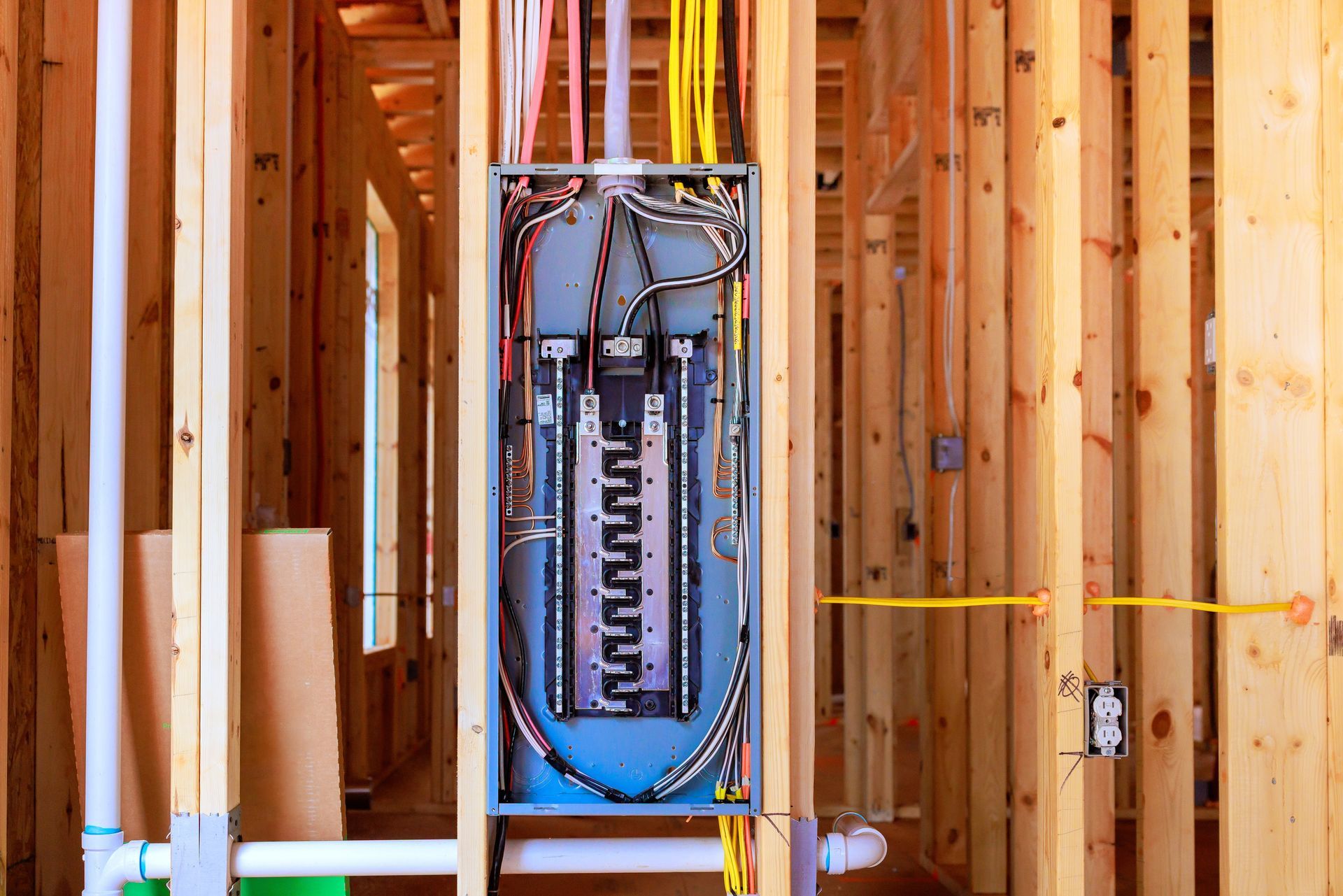
How New Circuits Address Electrical Reliability
Dedicated circuits provide independent electrical paths from the panel to specific appliances or room locations, preventing shared loads that cause breakers to trip when multiple devices operate simultaneously. The installation involves calculating load requirements for the equipment, selecting appropriately sized conductors and breakers, routing cables through building cavities to minimize visible wiring, and installing devices or connections at endpoints. Kitchens require GFCI protection on counter outlets within six feet of sinks, bathrooms need GFCI protection on all receptacles, and bedrooms require AFCI protection on general lighting and outlet circuits as current National Electrical Code standards specify for residential installations.
After new circuits are installed and pass inspection, appliances operate without causing other devices on different circuits to lose power, breakers no longer trip during normal household activity, and electrical capacity exists for adding equipment without system modifications. The panel includes new breakers clearly labeled for the added circuits, and each circuit provides dedicated overcurrent protection sized for the connected load. GFCI protection prevents shock hazards near water sources, while AFCI protection detects arc faults in wiring that standard breakers cannot identify.
Remodeling projects benefit from adding circuits proactively rather than tapping existing wiring, as older circuits often lack capacity for additional loads and may not include neutral conductors required for modern devices and smart switches. Home offices with computers, printers, and network equipment function more reliably on dedicated circuits separate from lighting and general outlets.
Answers to Frequent Service Questions
Homeowners adding circuits often ask about code requirements, installation methods, and when dedicated lines become necessary for specific equipment and room additions.
What appliances require dedicated electrical circuits in residential installations?
Refrigerators, freezers, electric ranges, microwaves rated above one thousand watts, dishwashers, garbage disposals, sump pumps, and HVAC equipment all require dedicated circuits to prevent overloading shared lines and ensure reliable operation without nuisance breaker trips during normal use.
How does GFCI protection differ from AFCI protection in new circuits?
GFCI breakers detect ground faults that occur when current leaks to ground through water or damaged insulation, shutting off power within milliseconds to prevent shock, while AFCI breakers identify arc faults in damaged wiring that generate heat and can cause fires, providing protection that standard thermal-magnetic breakers cannot deliver.
What installation methods work best for adding circuits in finished rooms?
Cable routing through attics, basements, or crawl spaces avoids opening walls, with access holes cut at device locations and cables fished through wall cavities from above or below, minimizing drywall damage while providing code-compliant wiring paths that remain concealed after installation completes.
When do existing circuits require upgrading rather than adding new lines?
If the electrical panel has no available spaces for additional breakers, lacks capacity to support increased loads, or contains outdated components that do not accept modern circuit protection devices, panel replacement becomes necessary before new circuits can be added to serve additional equipment or remodeled spaces.
What outlet spacing requirements apply when adding receptacles in Delaware?
Current code requires outlets positioned so no point along a wall is more than six feet from a receptacle, with kitchen counter outlets spaced every four feet, providing adequate access for appliances and electronics without relying on extension cords that create trip hazards and potential fire risks from overloaded connections.
Towles Electric, Inc evaluates panel capacity and circuit requirements for homes throughout Central Delaware. Arrange a consultation to review your electrical system and identify circuit additions needed to support appliances, remodeling projects, or equipment that requires dedicated power sources.